
Our Work
We gather and distribute 28.6 million meals’ worth of food annually to more than 800 partners across West Michigan and the Upper Peninsula – covering 40 of Michigan’s 83 counties.
Our Programs
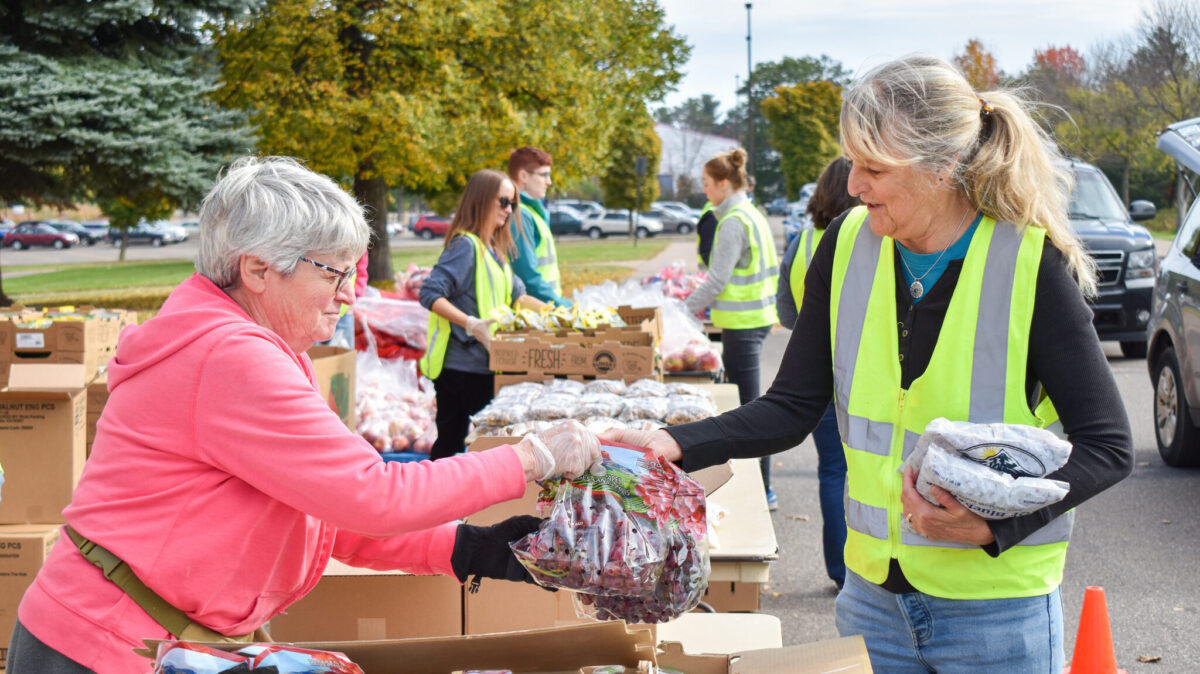
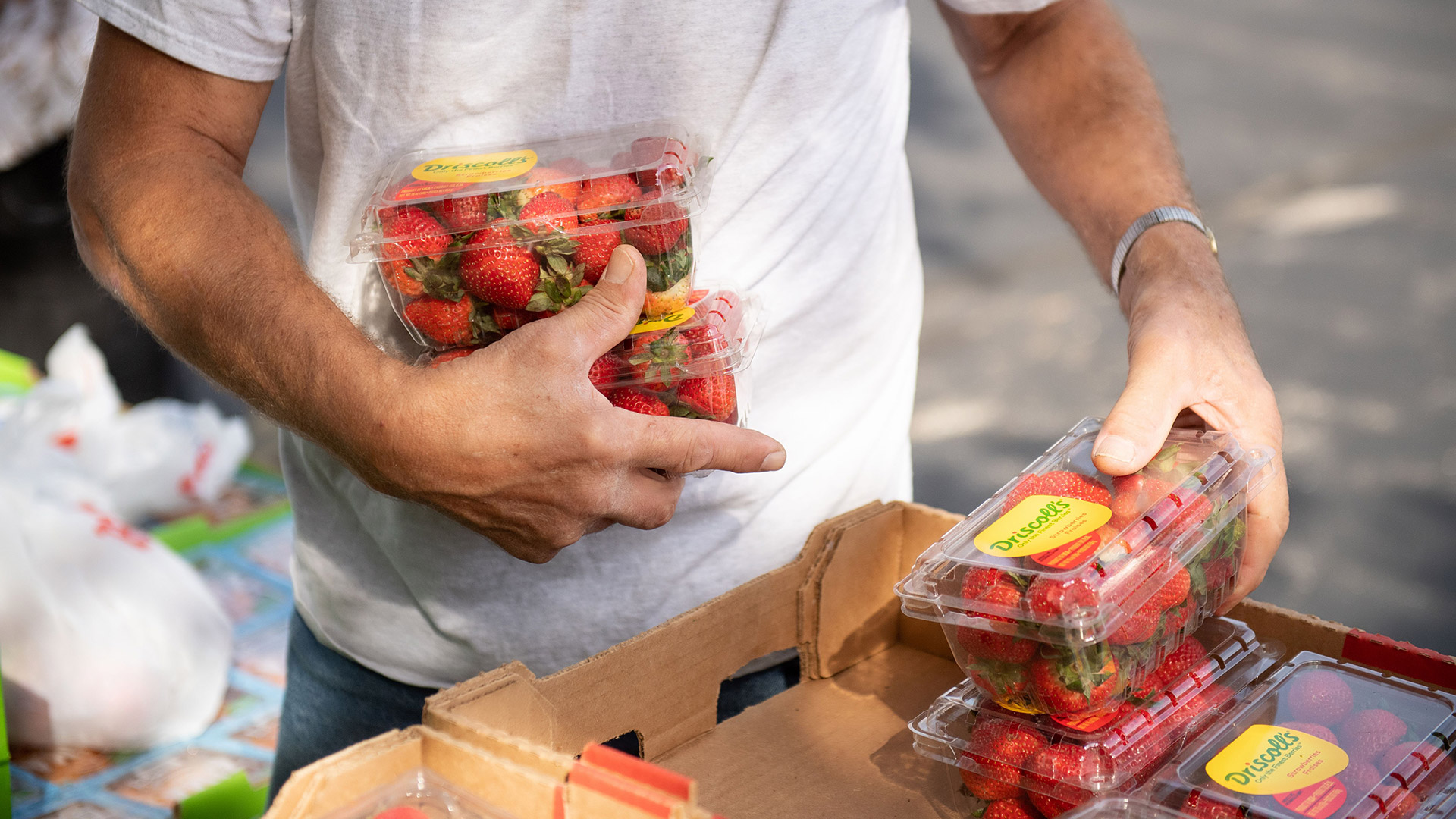
The Mobile Food Pantry program delivers supplemental groceries such as a variety of fresh fruits, vegetables, dairy, protein, and grains directly to people who are struggling to purchase enough nutritious food. Often the food is distributed the same day the food is donated. Hosted by churches, schools and community groups, our mobiles can provide nourishing food for up to 600 households.


Gather 2 Grow is our program that aims to nourish kids’ bodies and minds during the summer. In partnership with local libraries, this program provides summer lunches to children 18 and under and developmentally delayed adults up to 26 years of age, at no cost
to families.
Mobile Food Pantry facts
- We provide more than 9 million meals’ worth of food through Mobile Pantries annually.
- Mobile Pantries account for roughly 40% of the food we distribute annually.
- We created this model in 1998 and it has since been adopted by food banks across the country.
- In 2025, an average Mobile Pantry distribution consisted of 63% fresh produce, 13.4% dairy, 1% meat, and 4.3% other protein, a true reflection of our commitment to providing nourishing food.
“There’s times where I would’ve gone without food if it weren’t for the food here.”
– Alice, senior neighbor
Gather 2 Grow facts
- We served more than 60,000 meals in 2025.
- This program was located in 57 local libraries.
- Meal options are provided that are all nut-free and include gluten-free and vegetarian choices in addition. Examples of meal choices include chicken salad, chips & cheese, tortilla sandwich, hummus, and more.
“It’s the best of both worlds because you get exposure to the library and books, and also get food. The books feed their brains and the food feeds their minds!”
– Stacy, mother of 3
Programs We Support
As a regional food bank, we partner with over 800 hunger-relief organizations across our service area in order to get food directly into the hands of neighbors in need. The programs the food bank supports are diverse, but they share a common goal: to end hunger in our community.
The food bank has the ability to handle large quantities of food that our agency partners are unable to manage due to lack of space, equipment or staff. We gather food through rescue, purchase, the USDA and donations, then prepare and distribute it to our network of partners who give it directly to people experiencing food insecurity. Partnering with the food bank enhances our agency partners’ capacity to serve those in need.
Food pantries, youth programs and meal programs are three of our largest types of partner agency programs.

Food Pantries
A food pantry is a place where anyone can go to receive food during a time of need. The food bank strives to be the primary and most cost-effective source of food for our partner food pantries all across our service area.

Youth Programs
Numerous youth programs exist to help fill the gaps many children face outside of receiving meals at school. These vary from backpack programs, to summer camps or after-school snack programs.

Meal Programs
Meal programs serve a variety of prepared foods to seniors and other community members, often providing a time to gather together to address food insecurity and social isolation.
Food Rescue & Sustainability
Food waste happens when perfectly good food is thrown away. Because of this, we prioritize saving good food that would otherwise be unnecessarily tossed in the trash – this is called food rescue. We partner with food manufacturers, grocery stores and farmers to keep quality food out of landfills.
Food waste is responsible for 8% of all global carbon emissions, making up most items in our landfills. Growing food requires lots of water, fuel, and fertilizer. By preventing food waste and rescuing food at risk of being discarded, we can lessen our environmental impact and ensure that resources are used to nourish communities.

Government Food Assistance Programs
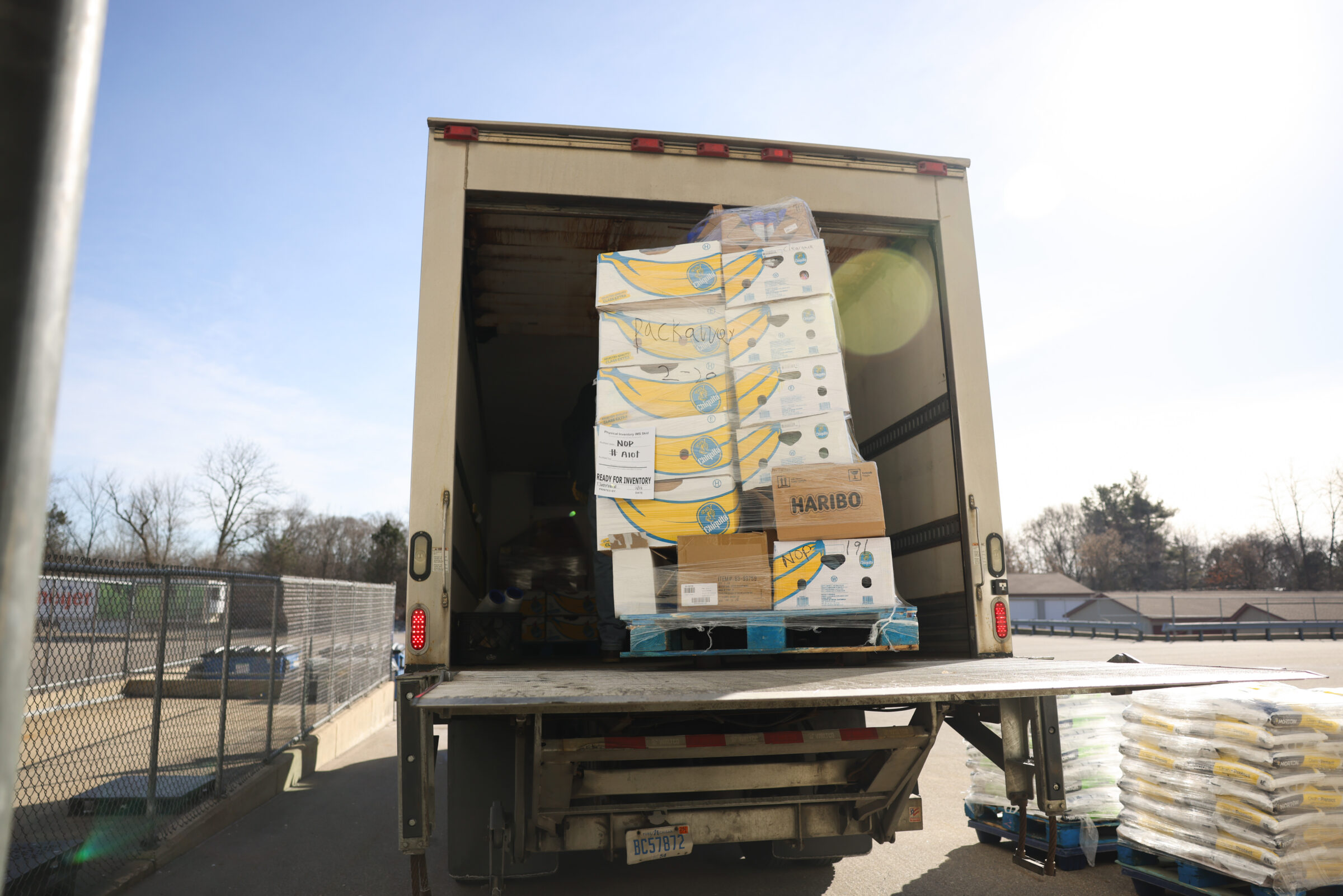
As a food bank, we receive food from the United States Department of Agriculture (USDA) and support various governmental initiatives that aim to increase food security
Two USDA Food Distribution Programs the food bank facilitates are the Commodity Supplemental Food Program (CSFP) and The Emergency Food Assistance Program (TEFAP). There are numerous others, all of which work alongside the food bank toward our vision of equitable food access for our community. You can learn more by clicking on the button below!
This institution is an equal opportunity provider.