
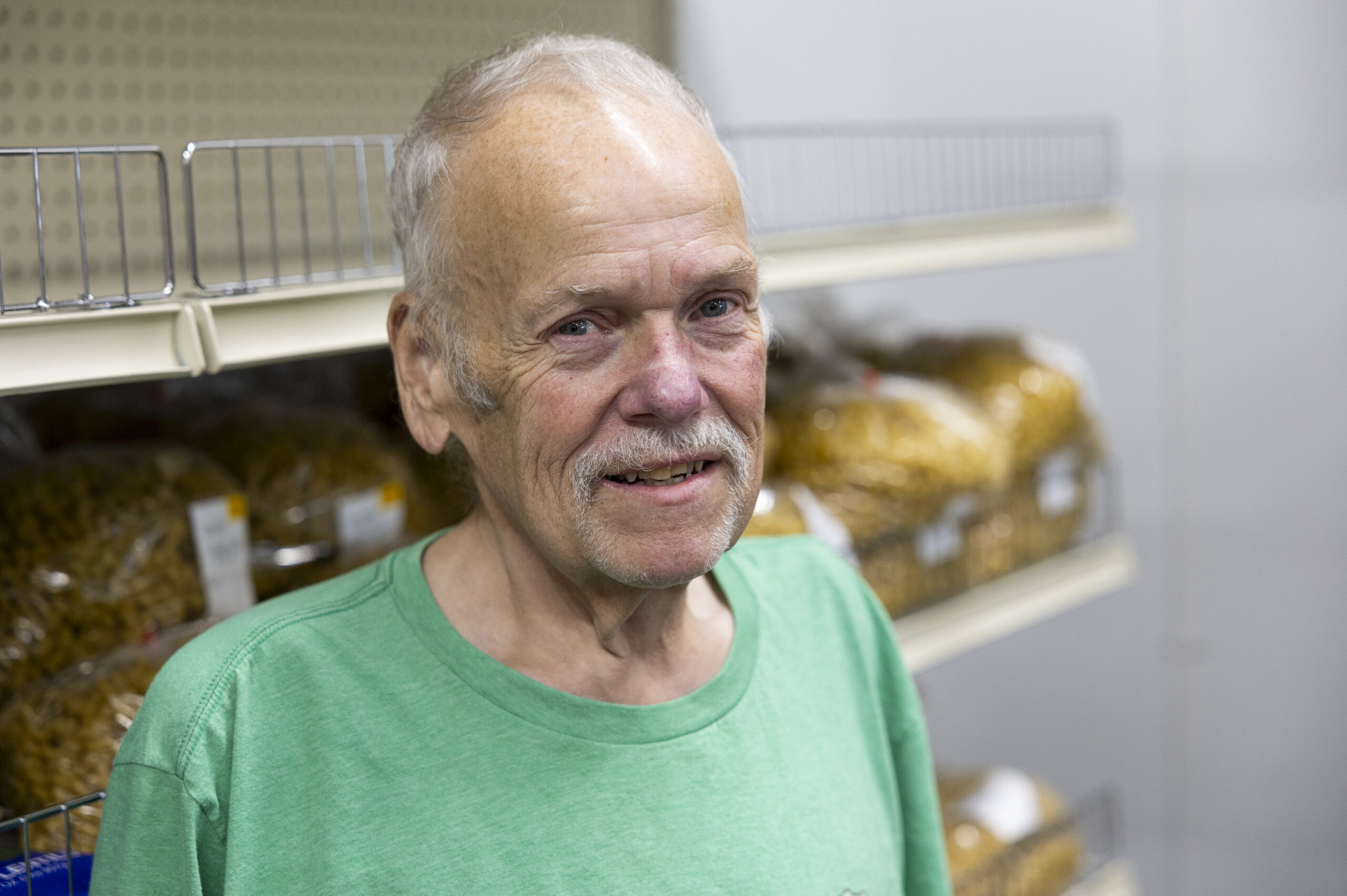
Rising costs push retired public servant to join pantry community
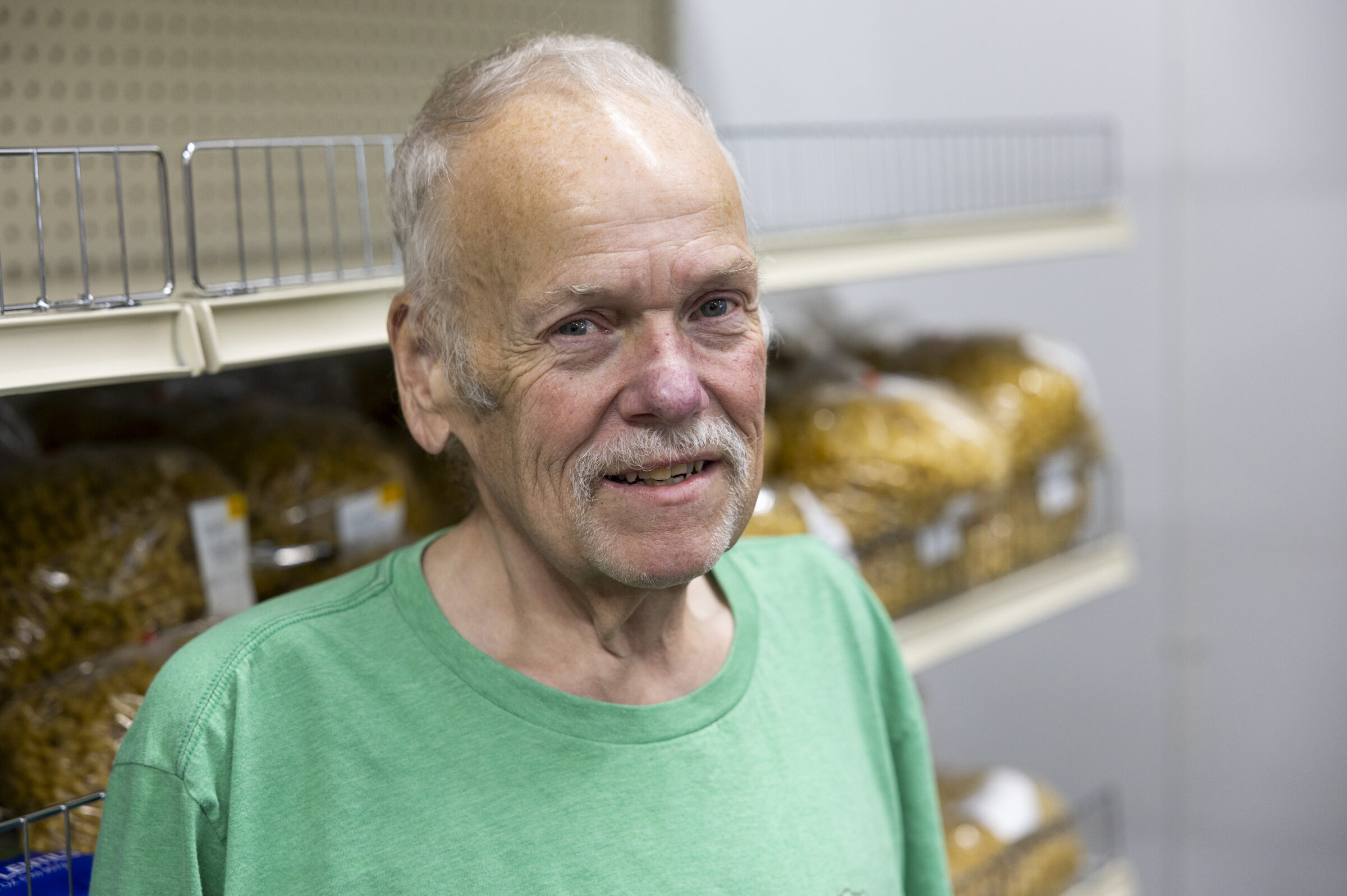
In the past year, 7 in 10 lower-income adults reported difficulty meeting at least one out of four financial obligations, including medical care costs, transportation costs, and mortgage and rent, according to a recent Pew Research Center survey.
In addition, 4 in 10 lower-income adults sought assistance from a food pantry. The financial challenges brought on by the rising cost of living also made their way to middle-income adults (39%), and upper-income adults (12%).
Seniors and retirees make up a significant share of lower-income adults. Health problems and costs that outpace retirement savings often put them in a financial bind and keep them there. This is true for Oren.
For nearly four decades, the Caledonia resident devoted his life to protecting and serving others as a firefighter; he never imagined he and his wife would worry about having enough to eat in their old age.
Oren knew from an early age that this was the path he wanted to take.
“I always chased firefighters as a kid,” Oren said, “My mom had a police scanner, and we’d sit there and just listen to it.”
He began volunteering in the fire service while still in high school, eventually working his way into a career that led to retirement from the Hudsonville Fire Department two years ago. Since he retired, Oren incurred health issues stemming from the fire service, rendering him disabled. Matters became more stressful as Oren had to go through a long waiting period for disability benefits. During the delay, Oren’s wife became the household’s sole source of income, working long hours to support them while they waited for the assistance he needed. The wait time became so extensive that he and his wife almost had to involve lawyers before things were resolved, he said.
While pushing through those circumstances, the rising cost of everyday expenses became another burden for the household to bear. Fresh meat, in particular, was among the foods that became difficult to afford.
Although Oren explored state and federal assistance, he repeatedly encountered eligibility barriers because their household income exceeded the thresholds set by social safety-net programs like SNAP.
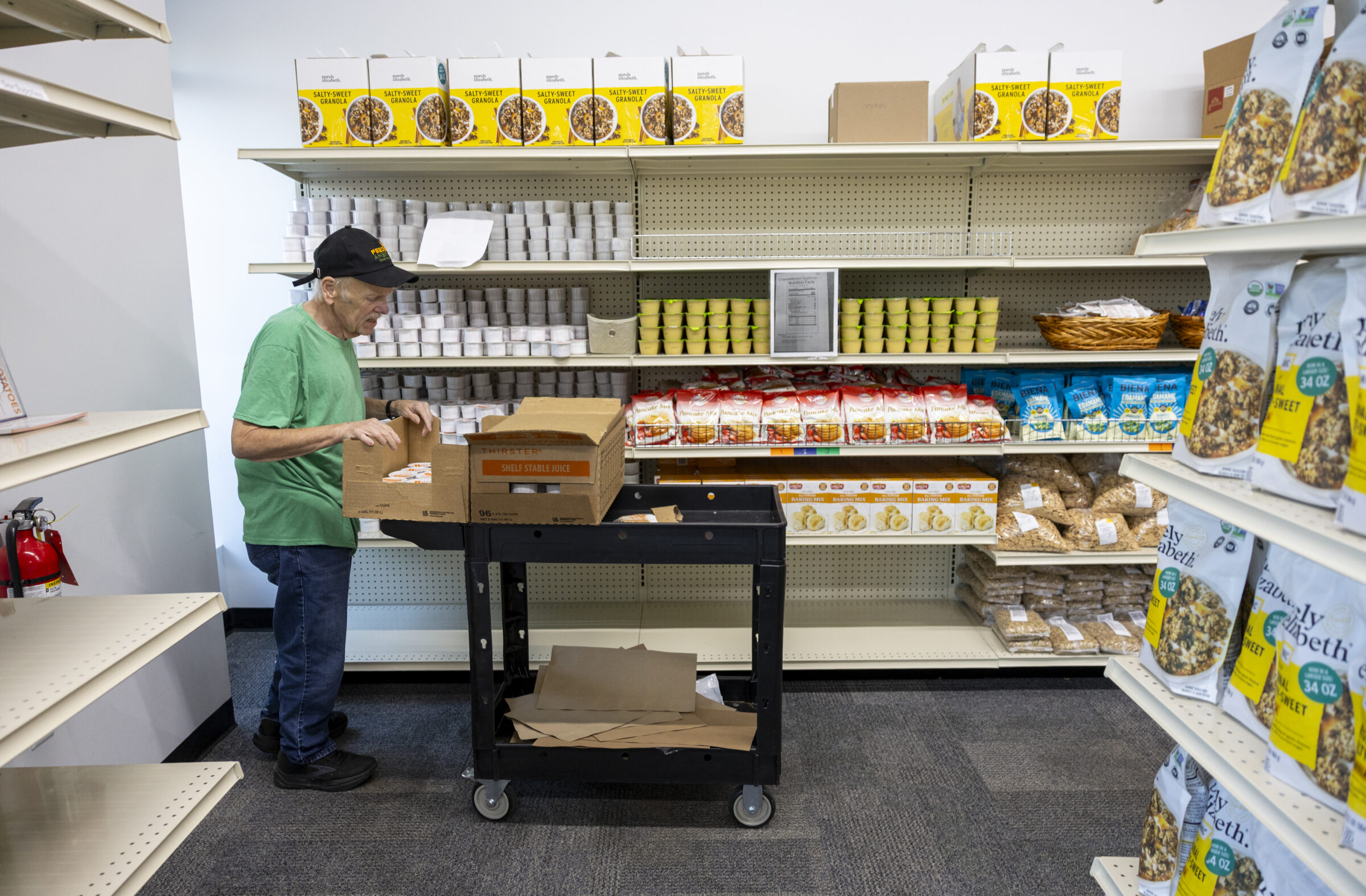
Earlier this year, Oren turned to a food pantry for the first time in his life.
“Before, I knew nothing about any pantries,” Oren said. “A friend of mine encouraged me to check out some food resources, and that’s when I came across the Second Harvest Pantry. The first time I came in, I met the staff, and they were great people.”
Oren has been coming to Second Harvest Pantry since March, to access the food he needs, providing him with some financial relief. In addition to finding food, he found an environment where he feels welcomed and valued. He enjoyed the atmosphere so much that he asked if he could volunteer. “I felt I had to bring back what I used from here personally,” he said.
Through volunteering and getting to know other pantry visitors, he has developed relationships and a supportive community. Many of the people he encounters recognize him as “the fireman,” a familiar identity he still embraces by regularly wearing his firefighter shirts, even in retirement.
After spending 39 years helping others, he has found himself on the other side of that relationship and he has learned that accepting help does not diminish your ability to contribute.
“I’ve worked with people for years. Now it’s come full circle where they’re helping me in the process too,” he said.