
At Feeding America West Michigan, we field a wide range of questions from neighbors, donors, and volunteers. When people first visit the food bank, they almost always ask where all the food comes from.
So, where does the food bank get its food?
More than 34 million pounds of food pass through the Feeding America West Michigan warehouse each year. Feeding America West Michigan has a sizeable and diverse supply chain of donated and purchased food. The food bank relies heavily on federal programs, including The Emergency Food Assistance Program (TEFAP), as well as corporate retailers such as Sam’s Club, Walmart, Aldi, and Costco. We also secure food through partnerships with local farms, such as Fresh Solutions Farms.
Overall, half of the food distributed by the food bank is donated. Approximately 30 percent comes through federal programs, and the food bank buys the remaining 20 percent of the food distributed each year.
To keep food donations rolling in, food bank has a steady list of consistent contributors. In 2025, the food bank’s top 10 food donors contributed over 10.1 million pounds of food in total. These partnerships and donations have provided the food bank with a reliable source of food, enabling us to consistently meet the needs of the families and individuals within our service areas.
What’s coming in — and where is it Going?
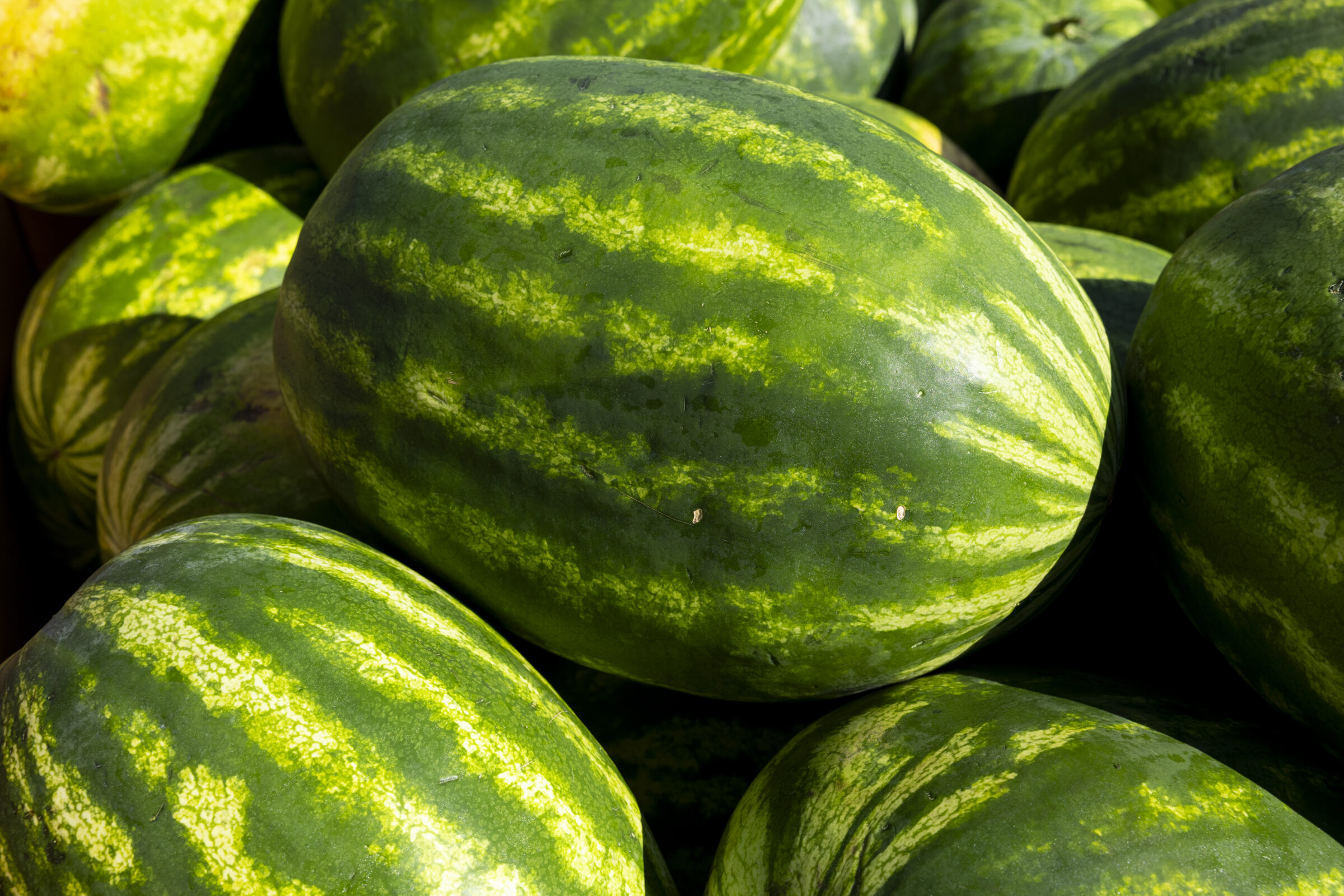
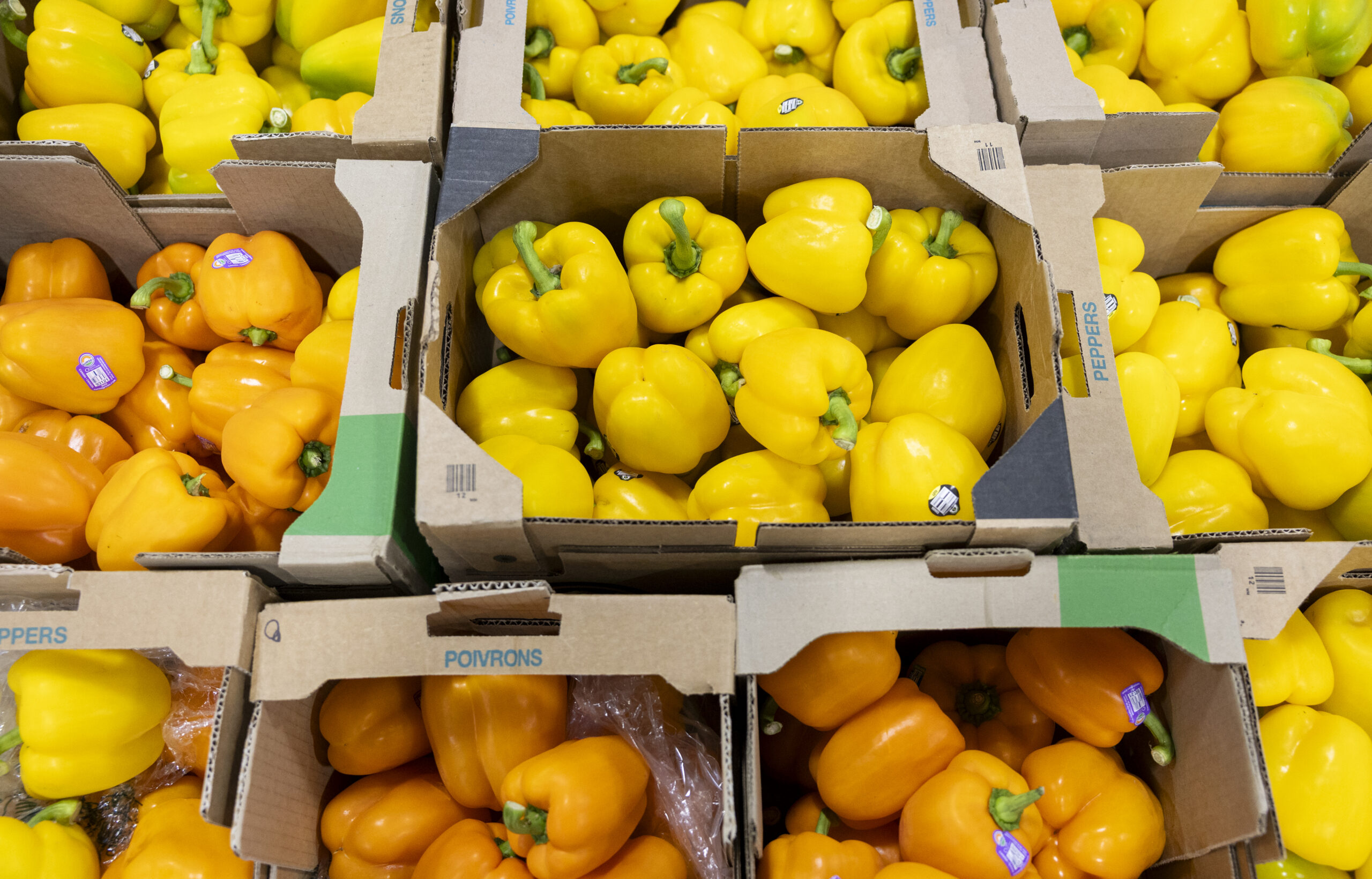
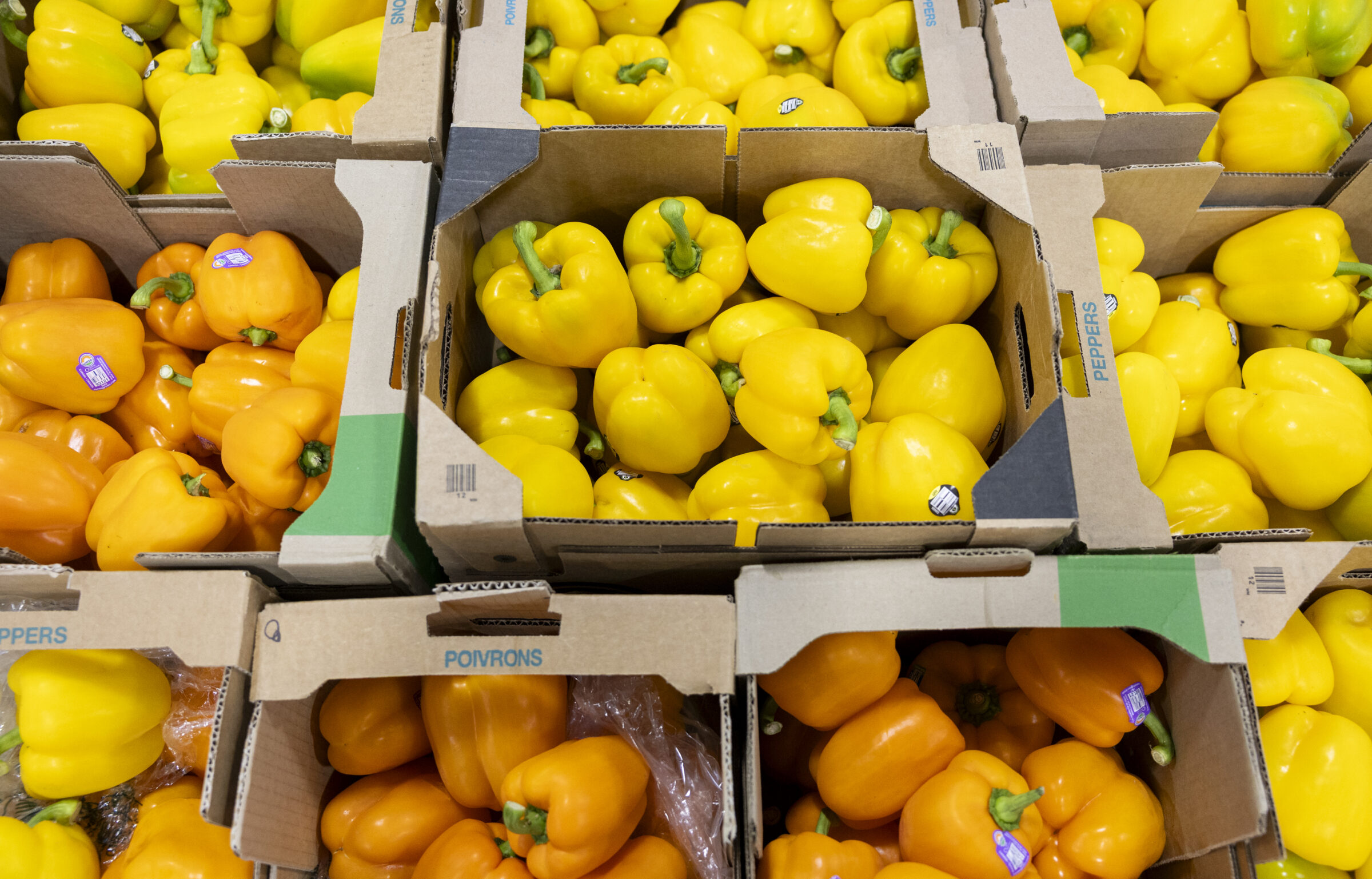
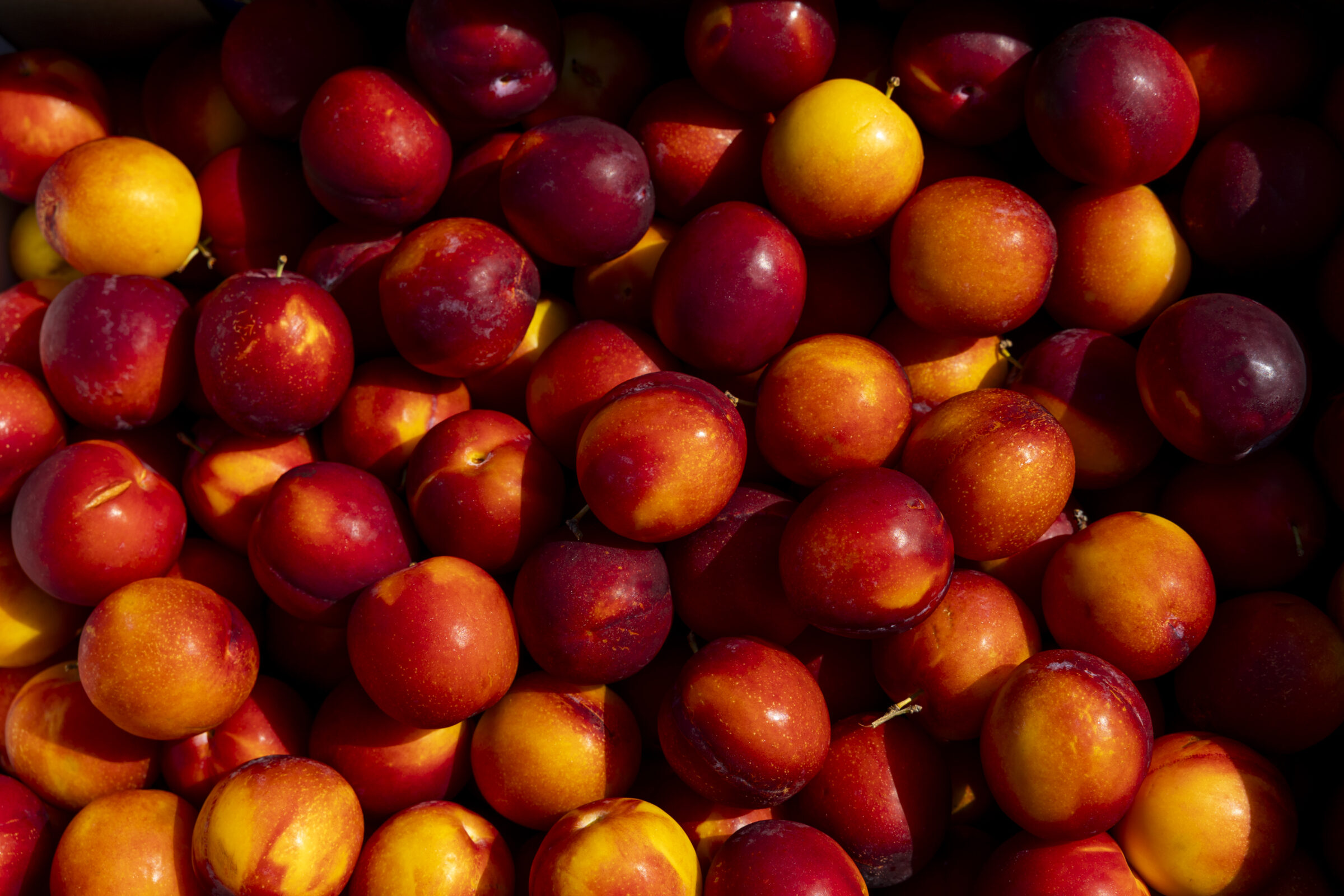
Fruits and vegetables are our most received food items. There is a lot of surplus produce within the food system, and our food bank, like many others, gives retailers and donors an opportunity to redirect that surplus to our neighbors rather than letting it go to waste. This helps provide our neighbors with access to nutrient-dense foods, supporting their overall health and well-being. It’s a win-win!
Though the hardest to source, meat and dairy products also reach us through donations, but the food bank also regularly buys meat and dairy products because the demand is high. The meat we purchase includes ground beef, ground turkey, and breakfast sausage — all of which goes very quickly and has the biggest impact on the households we serve. A family receiving these protein items isn’t simply receiving food — the support with food enables them to use money they otherwise would have spent on costly protein toward other essential expenses.
The food bank also distributes pasta and non-meat proteins such as beans, peanut butter, and eggs.
Through our Mobile Food Pantry Program, 63% of the food distributed consists of fresh produce, 18.3% of other items such as pasta, 13.4% of dairy, 4.3% of non-meat protein, and 1% of meat protein. This food is distributed through our partner mobile distribution sites, which are part of our vast network of 822 agency partners. This network also includes Regional Distribution Organizations (RDOs) and affiliate food banks, all of which play a huge role in closing the meal gap and ensuring resources reach households facing food insecurity, particularly those in hard-to-reach communities. Working with our partners, we were able to distribute 28.7 million meals to more than 1 million households.
The Mastermind Behind Our Food Supply
Jerry Knapp, the food bank’s product sourcing manager, directs the flow of safe, high-quality food to the food bank warehouse. When it comes to securing a steady food supply, filling inventory gaps, and preventing waste, Jerry’s most valuable tool has been strong relationships with local farms, retailers, and distributors. Building trust, according to Jerry, depends on being “straight forward on what we can and can’t do, and following through on your commitments.”
Jerry considers relationship building one of his proudest accomplishments. The relationships he has cultivated have come with some meaningful rewards.
“If some of our vendors get a spot buy on something, they usually will give me a call,” Jerry said. “It is all about who you know in this business. That makes my world go round.”
For example, close ties with Fresh Solution Farms in White Pigeon have proven beneficial to the food bank and to local farmers. Fresh Solution Farms packages and markets potatoes and onions for West Michigan growers and distributes the products to regional grocery stores. When they have potatoes they can’t market, Fresh Solution Farms contacts Jerry.
Mike Phillips, of Walther Farms in Three Rivers, is one of the farmers who grows potatoes that find their way to the food bank via Fresh Solution Farms.
“We want to make sure that we don’t throw away any of our potatoes that we’re packing out to Fresh Solution Farms,” he said. “We realize, in value, that the potatoes are fine. Not every potato is fine for the grocery store, but the imperfect ones are still edible. I bring them home to my family all the time, and we don’t throw them away, so if there’s a need out there, we’re going to donate them.”
Mike encourages more individuals and companies to donate directly to food banks or households that need them.
“I understand that everyone is busy, but I encourage everyone to take the time to question yourself. ‘Am I wasting material or non-perishable food, fruits, or vegetables?’ If so, find an organization that will take it and distribute it to those who need it.”
To help us continue to serve our neighbors throughout West Michigan and the Upper Peninsula, please donate today!