
At any given time, at least 1 in 7 of our neighbors in West Michigan and the Upper Peninsula encounter tough choices between buying food and paying for other basic necessities. Food insecurity can vary widely based on several factors that include proximity to economic opportunities, age, ability, and life events.
Chronic food insecurity (5+ years): Roughly 6 percent of food-insecure households are chronically food insecure, meaning the condition persists for five years or more.
Common Causes
- Physical limitations to earning income, most often age or disability.
- Geographic limitations to earning income: Non-disabled adults in chronically recessionary communities struggle with the lack of full-time employment opportunities. Many of these communities have areas that are considered food deserts because they lack a high-quality grocery store.
- Victims of physical and psychological violence often struggle to get on steady financial footing, and formerly incarcerated individuals often struggle to find employment
Episodically food insecure (1-4 years): Approximately 94 percent of people who experience food insecurity experience it for a period of a few weeks to up to four years. Episodically food-insecure households typically include non-disabled adults who are employed, but they can also include seniors who live on fixed incomes. Many of these food insecure households include children.
1 year or less: 51%
Common Causes: One serious episode creating a year or less of food insecurity.
Examples: A period of unemployment; an unpaid medical leave; the death or departure of a family breadwinner.
2–3 years: 35%
Common Causes: Multiple smaller events during a period of reduced income.
Examples: People who are employed full-time but don’t make enough to meet unplanned expenses; someone whose work is seasonal; a family with children that can meet basic needs but needs extra support during periods of higher expenses.
Up to 4 years: 8%
Common Causes: A major life event or a major national event.
Examples: A family that can’t afford daycare, so a parent stays home until the children are school-aged; a national recession that results in significant job losses or the collapse of entire industries.
The Food Insecurity Continuum
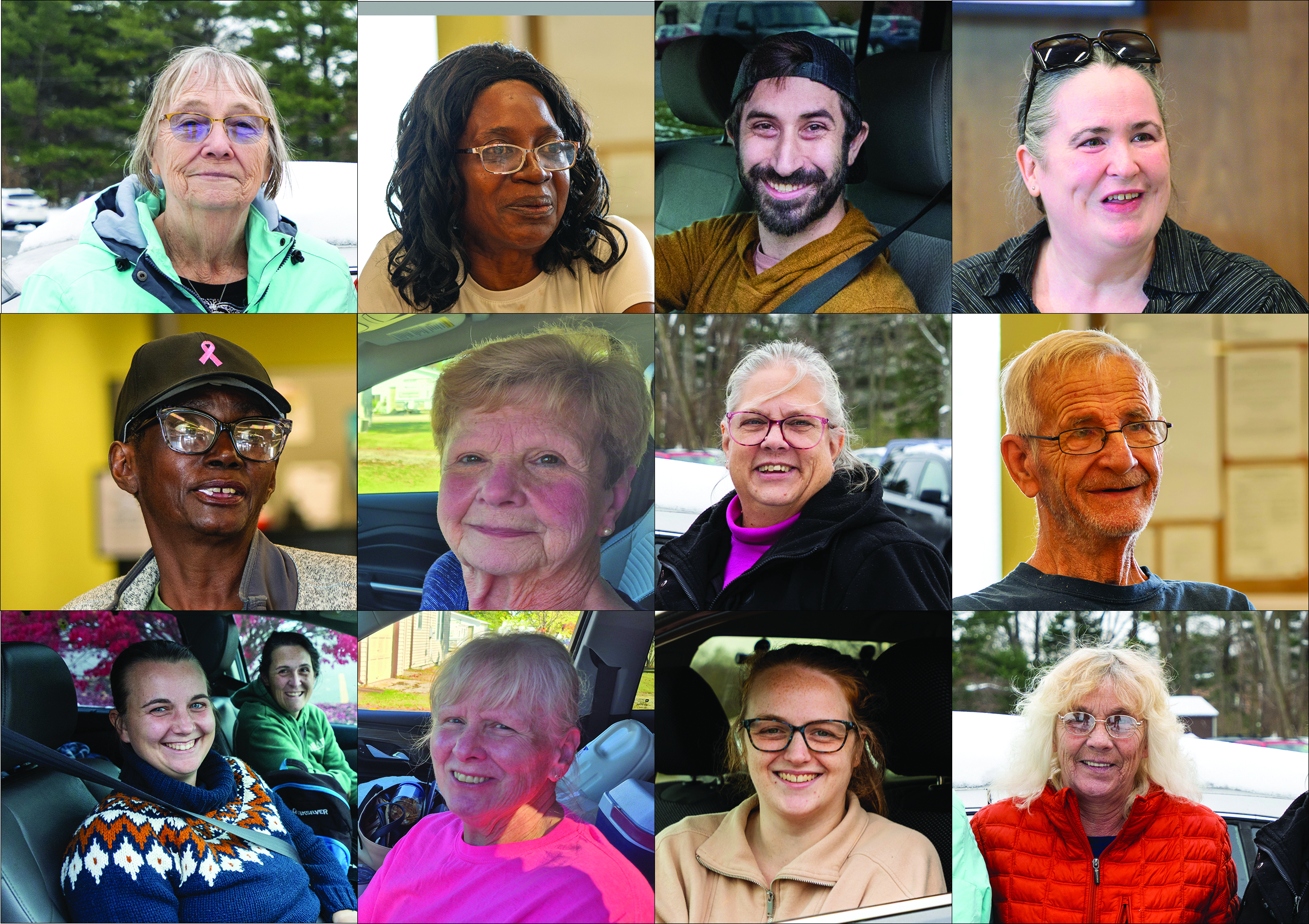
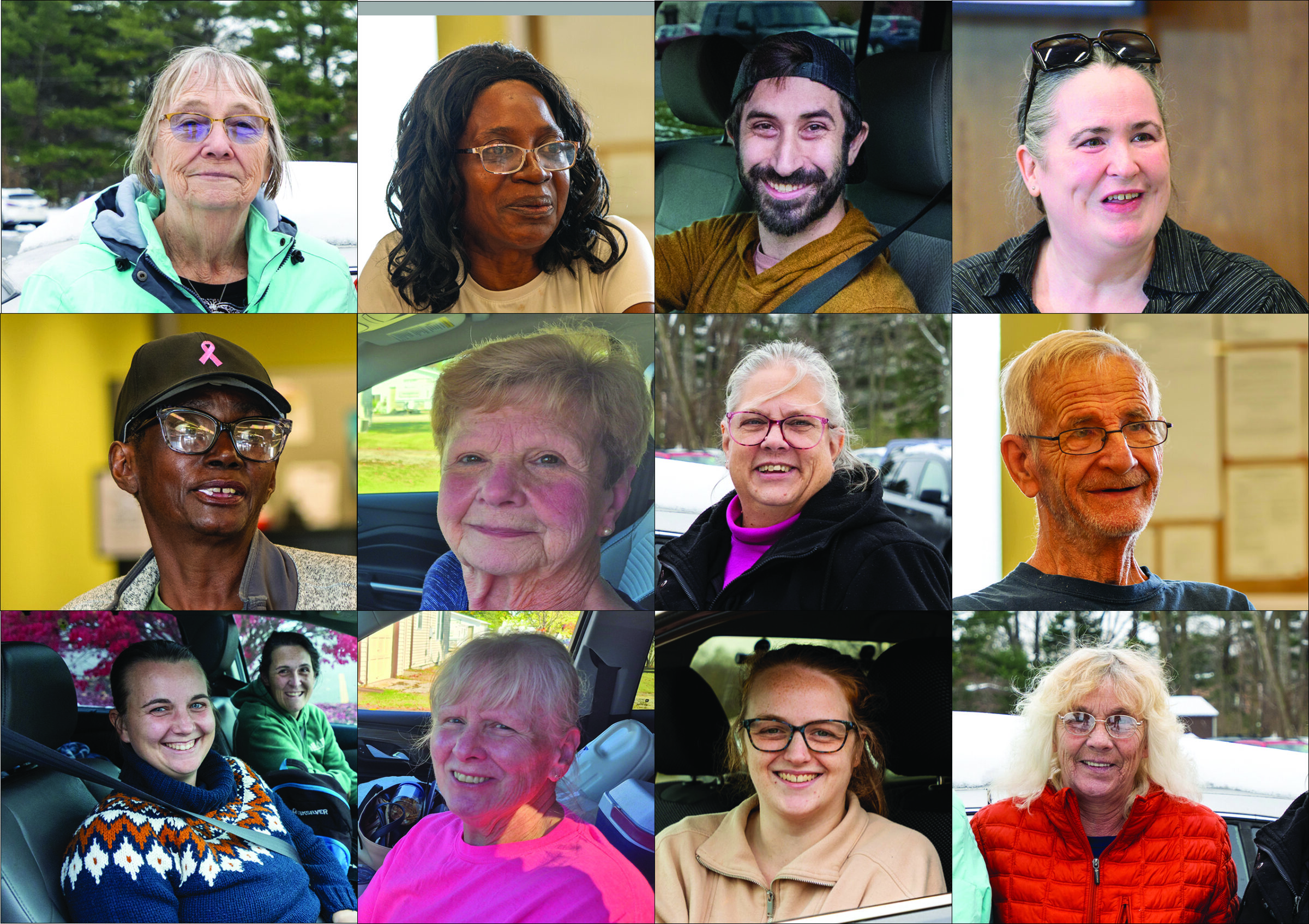
Each year, the staff at Feeding America West Michigan talk to dozens of neighbors who turn to mobile food pantries and agency partners for support.
“There is a misperception that food insecurity goes on for years and years, when in reality it is a set period of years and a short period of time within those years for the vast majority of people. When we help families with nutritious food we are truly helping them cope and get through a period of time so they can get on with their lives.” — Joseph Jones, Chief impact Officer, Feeding America West Michigan
Episodic
1 Year: Alex

The Kent County father experienced an unexpected drop in his income. Suddenly, he and his partner were struggling to keep up with their bills and feed their three children. Alex started attending mobile food distributions in the community to help them get through.
“Being able to depend on this the last six months, has been great. The money we save on groceries we use to keep up on our bills, so this definitely helps,” he said. “Knowing that the kids will be fed has been great. It’s a relief to have an organization that’s consistent, and it’s not going to randomly stop.”
2–4 years: Miranda

The Ottawa County mother realized her family needed support after she left the workforce to stay home with her young child. She turns to various agencies near her home when her family needs a little extra help accessing nutritious food.
“My husband works full time, and we make enough to get by, but after paying for rent, bills, essentials, we can use some meat and milk and fresh vegetables. I can find that help here.”
Hannah & Cayla
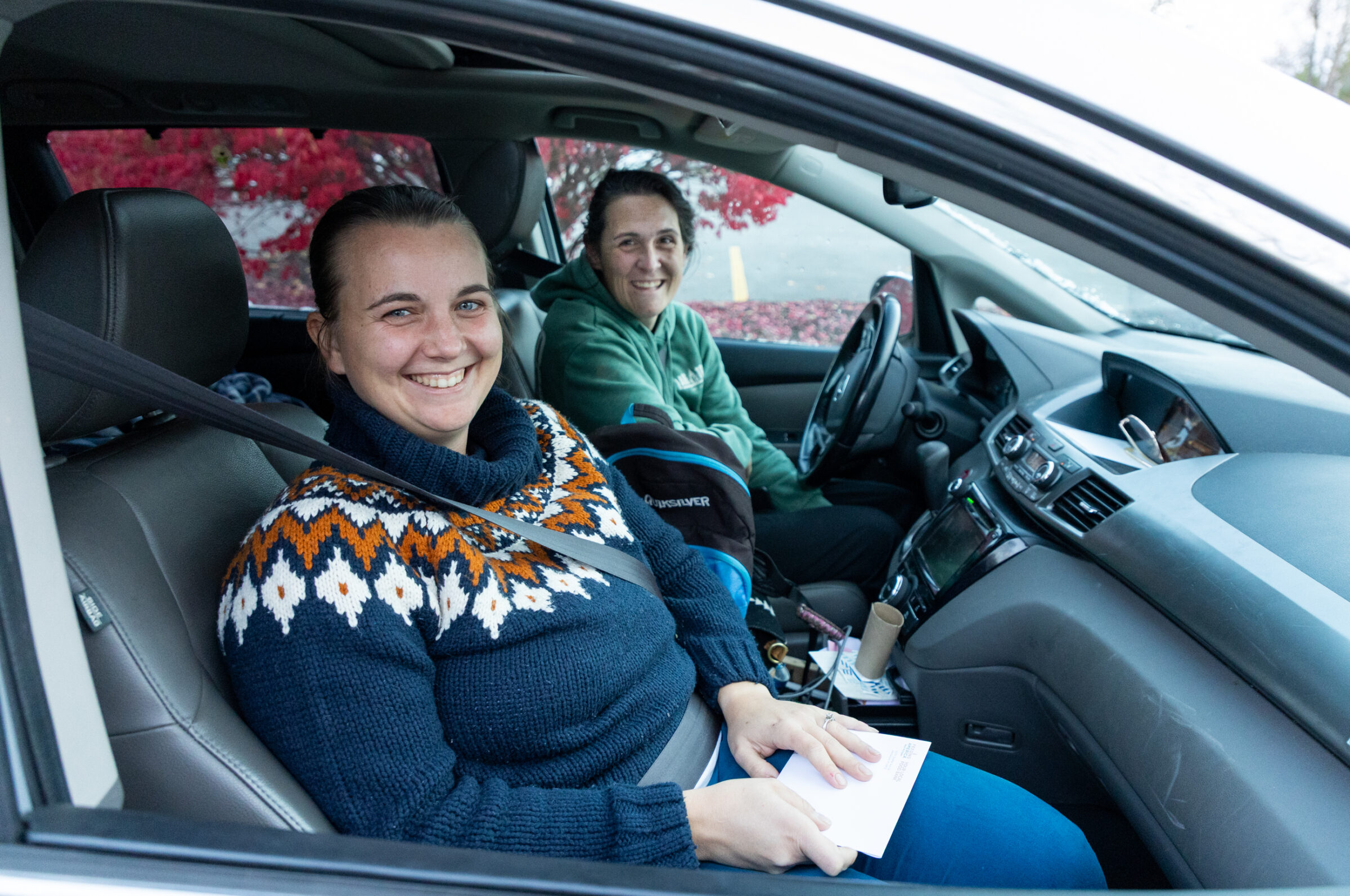
Longtime friends Hannah and Cayla periodically share a ride to a mobile food distribution to get help feeding their families when their budgets are too tight. Hannah has five children and Cayla has four. They said they stretch the food as far as possible and they find ways to make sure nothing goes to waste, like freezing carrots and dehydrating mushrooms.
“I came the first time when my husband changed jobs and we had a span of about five weeks without a paycheck, Cayla said. “That was an emergency. Now I come back to fill in the gaps with healthy food when my food budget is stretched thin.”
Chronic
5+ years

Lynda heard about Osceola County food distributions in late 2024 when a friend from her church suggested she attend one. Lynda is retired and getting by on Social Security. She relies on the fresh produce and dairy products to help her keep her Type 2 diabetes in check.
“This food is an answer to prayers,” she said. “It’s just good stuff — fruit and vegetables and usually a gallon of milk. We get potatoes all the time and cottage cheese. I still have to buy stuff, but this is really a tremendous help.