
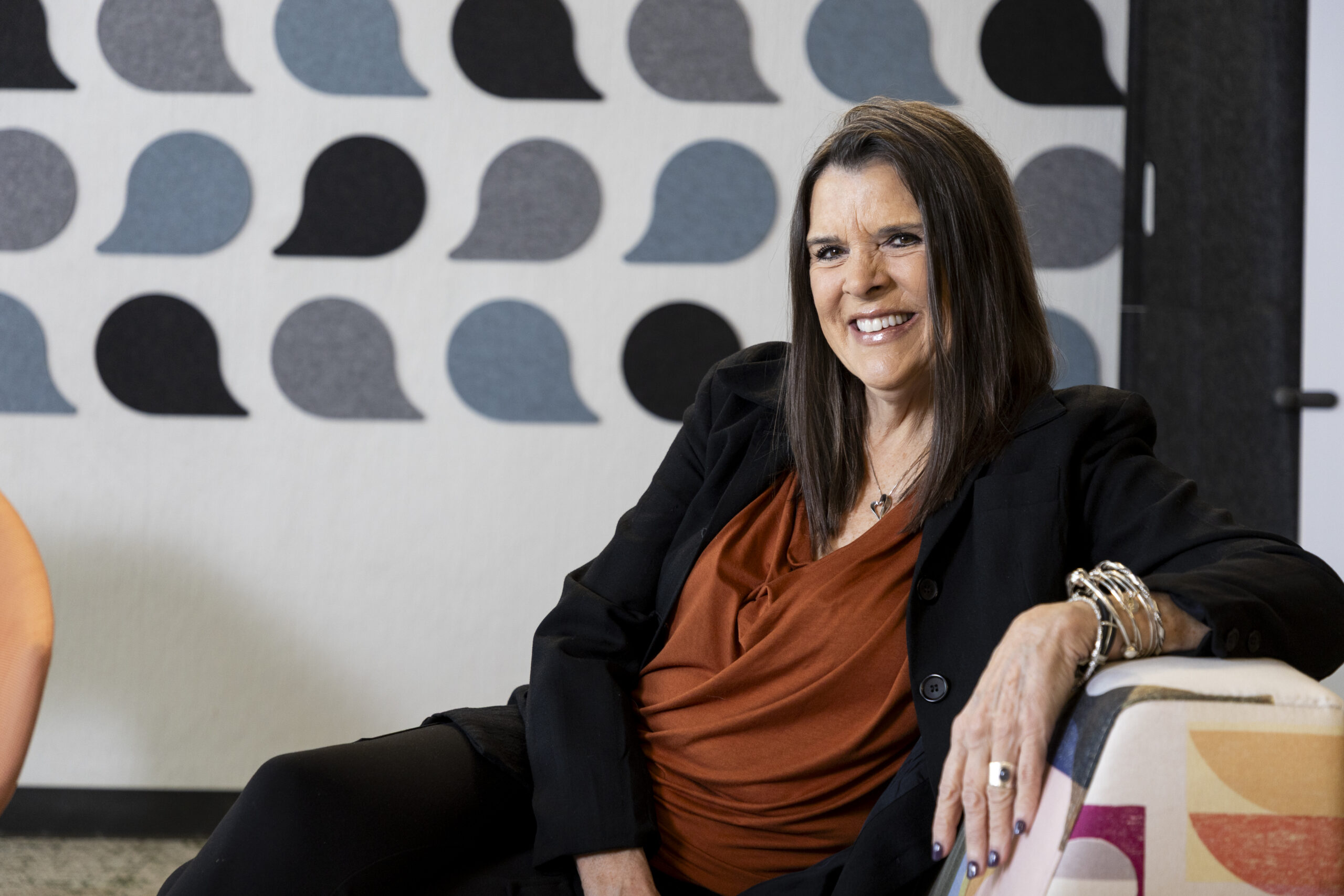
Over the next several months, we will periodically share stories from Feeding America West Michigan staff who have turned to the charitable food system for support during difficult periods of their lives.
We kick off the series with Chief Philanthropy Officer Pattijean McCahill, who lost her job and home through a series of events beginning in 2009, the height of the Great Recession. Despite possessing an MBA from a prestigious university and 20 years of corporate experience, she could not find a job to provide for herself and her son.
Did you struggle with the decision to ask for help?
I struggled deeply with the decision to ask for help. … The shame was overwhelming, but the fear of not meeting my son’s needs was greater. The emotions were layered: humiliation, fear, grief, and eventually surrender — an acceptance that I needed help to survive that chapter of my life.
Who did you turn to for help?
I leaned heavily on my family. I also applied for SNAP benefits and met a caseworker who treated me with kindness and dignity. Her reassurance that my situation was temporary meant more than she could have imagined.
Describe your experience of getting charitable food.
The (pantry) volunteers were warm and welcoming, but I felt nothing but shame. I could hardly look anyone in the eye — I was terrified someone would recognize me. … When I used my Bridge Card at a grocery store, I would wait until the last second to take it out. A cashier once shamed me for buying “nice cheeses,” and that moment devastated me.
Did your situation change after you received assistance?
SNAP was a lifeline. We received about $350 a month, which didn’t eliminate our struggles, but it kept us from falling off a cliff. Assistance allowed me to regain just enough stability to breathe and begin rebuilding my life.
Did the experience change you in ways that remain with you today?
It changed everything about me. I learned resilience, empathy, and the importance of treating every person with dignity — because I know exactly what it feels like to be on the other side of the table. The experience continues to shape my leadership and my commitment to ensuring that no one feels shame when they seek help.